Power Yoga: A Beginner-Friendly Technical Introduction
Power Yoga is a modern, fitness-oriented style that uses Yoga poses in a more athletic format. It commonly combines flowing sequences, strength work, and higher heart-rate segments. This introduction explains what Power Yoga is, what it trains, and how beginners can start safely.
What Power Yoga Is
Power Yoga is not a single standardized lineage; it is a training format. In most studios, it means a stronger, faster class that uses Yoga postures and transitions (often Vinyasa-style flows) with greater intensity. The defining features are higher muscular demand, more continuous movement, and a stronger conditioning effect compared to slower foundation classes.
Example
A Power Yoga block may include repeated rounds of Sun Salutations, held Planks, and standing strength sequences, with shorter rest periods between sets.
What Power Yoga Trains
Power Yoga typically targets strength-endurance and work capacity while still improving mobility. Technically, it increases time-under-tension in bodyweight patterns (push, hinge, lunge, squat, brace) and trains coordination under fatigue. Because pace is higher, breath control becomes a critical skill for maintaining technique.
- Upper-body endurance: repeated plank/push patterns and shoulder stabilization.
- Leg strength: lunge and squat variations held longer or repeated.
- Trunk control: bracing against rotation and extension under fatigue.
- Cardiovascular demand: sustained flow elevates heart rate.
Example
In a sequence like Chair → Twist → Forward Fold → Plank, the goal is to maintain stable knees and a controlled spine while breathing steadily—even as effort increases.
What Power Yoga Is (and What It Isn’t)
Beginners often assume Power Yoga is “advanced Yoga only.” In reality, the difficulty is mostly driven by pace and volume, not necessarily complex shapes. Understanding the difference helps you scale intensity without losing the benefits.
Power Yoga Usually Means
- Faster transitions and fewer pauses
- More strength sets (plank, holds, repeats)
- Longer sequences before resting
- Fitness-style class structure
Power Yoga Does Not Have to Mean
- Extreme flexibility or contortion
- Advanced inversions on day one
- Pain-based stretching
- Rushing through poor alignment
Example
A beginner can keep the same flow as the class but reduce intensity by stepping back instead of jumping, lowering knees in Plank variations, and taking short recovery breaths when needed.
Power Yoga vs. Hatha Yoga (Simple Comparison)
Power Yoga and Hatha Yoga share many of the same postures, but the training effect differs because of pacing, rest structure, and intensity. For beginners, this comparison clarifies which one to start with and how to progress.
Power Yoga
- Higher pace and continuous movement
- More conditioning and strength-endurance
- Less time to adjust alignment mid-flow
- Breath control is harder under fatigue
Hatha Yoga
- Slower pace and clearer pauses
- More time for technique and alignment
- Beginner-friendly learning environment
- Lower intensity by default
Example
If you are brand new, 2 weeks of Hatha can build your alignment baseline. Then you can add 1 Power Yoga session per week and scale it with modifications as your breath and stability improve.
How Beginners Should Start (Safe Scaling)
For beginners, the safest approach is to treat Power Yoga as dose-based training: reduce speed first, then reduce range, then reduce volume. Your primary quality metric is breath stability. If breathing becomes forced or you start holding your breath, the intensity is too high and technique will degrade.
- Slow down transitions: step back and step forward instead of jumping.
- Modify strength: knees-down in plank/push phases when shoulders fatigue.
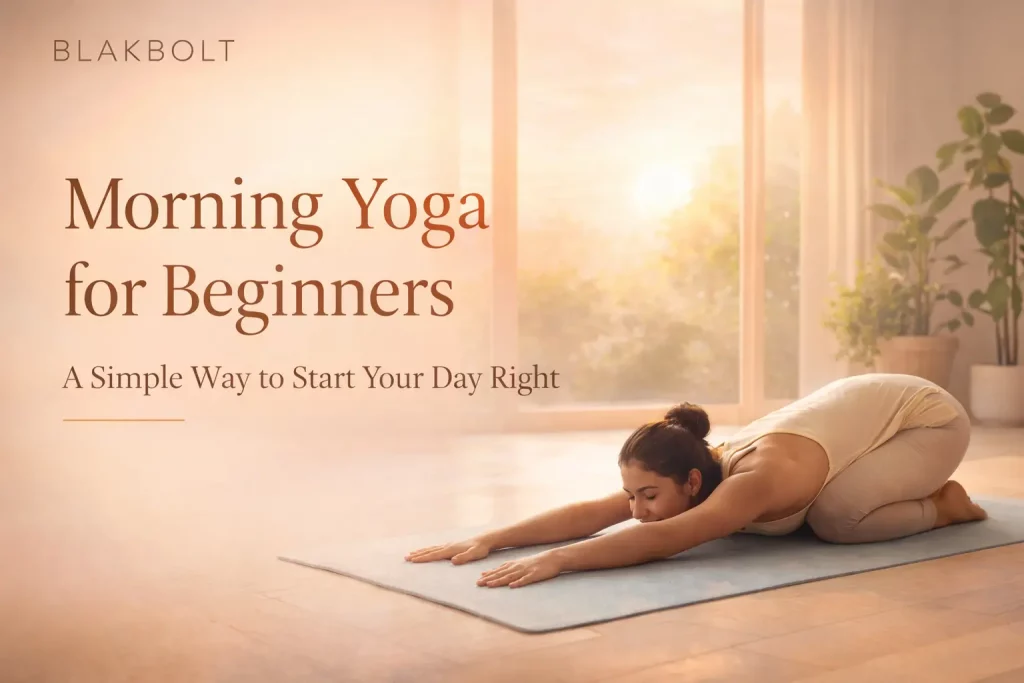
- Use shorter sets: take a child’s pose reset before form breaks down.
- Prioritize alignment: stable joints before deeper ranges.
Example
If the class does 3 rounds of Sun Salutations, start with 1–2 rounds at a controlled pace, then rest. Over time, add rounds only when you can keep smooth breathing and stable shoulder positioning.
Safety note: sharp pain, numbness, or joint-specific discomfort is a stop signal. Modify range, reduce load, and consider professional guidance if you have injuries or medical conditions.