Vinyasa Yoga: A Beginner-Friendly Technical Introduction
Vinyasa Yoga is a flow-based style that links movement and breathing in a structured sequence. Compared to slower classes, it uses more continuous transitions and can feel more “cardio-like,” while still building strength, mobility, and coordination. This article explains what Vinyasa is, how classes are built, and how beginners can start safely.
What Vinyasa Yoga Is
Vinyasa Yoga is defined by sequencing and transition logic: postures are arranged so you move from one shape to the next with minimal interruption. In most modern classes, the pace is guided by breath cues, meaning inhalations and exhalations are used as a timing framework. Unlike fixed-sequence systems, Vinyasa sequences are often teacher-designed and can change session-to-session.
Example
A basic flow may move from Mountain → Forward Fold → Half Lift → Plank → Downward Dog → Low Lunge → Standing, repeated for several rounds with minor variations.
How Breath Controls the Flow
In technical terms, breath acts as an intensity regulator and a pacing mechanism. When breathing is smooth, movement quality is usually stable. When breathing becomes forced (or you hold your breath), mechanics tend to degrade—especially in shoulders, spine, and knees. For beginners, nasal breathing is a practical default because it naturally slows the breathing rate and reduces pace.
- Inhale: often paired with lifting/lengthening actions.
- Exhale: often paired with folding/stepping actions or stabilizing.
- Breath stability: the simplest marker that the pace is appropriate.
Example
If you can’t exhale smoothly during Plank or Downward Dog, slow the transitions, drop knees in Plank, or rest briefly until breathing returns to a steady rhythm.
What Vinyasa Trains
Vinyasa commonly improves strength-endurance, mobility under control, and coordination because you repeat movement patterns in a continuous format. The training effect depends on sequence design, but most classes include repeated push patterns (plank phases), hip hinging/folding patterns, lunges, and balance work. Under fatigue, trunk control and shoulder stability become the key limiting factors.
Example
In repeated Sun Salutations, the “work” is maintaining stable shoulders and a controlled spine while the heart rate rises. If form breaks down, reduce volume (fewer rounds) before reducing alignment quality.
Vinyasa vs. Hatha (Simple Comparison)
Vinyasa and Hatha may use many of the same poses, but the difference is pace and structure. Hatha typically pauses longer for alignment and instruction; Vinyasa uses continuous movement with shorter holds. This changes how beginners should approach learning.
Vinyasa
- Flow-based with frequent transitions
- Higher endurance and conditioning demand
- Less time to adjust inside each pose
- Breath pacing is critical
Hatha
- Slower pace with longer holds
- More time for technique and alignment
- Lower transition complexity
- Best for learning foundations
Example
If you are new, 1–2 Hatha sessions per week can build alignment fundamentals, while 1 light Vinyasa session per week builds movement confidence and endurance.
How Beginners Should Start
Beginners can practice Vinyasa safely by controlling three variables: pace, range, and volume. The first priority is pace—move slower than the class if needed. The second is range—use smaller joint angles until stability improves. The third is volume—do fewer rounds before form breaks. The main quality metric is consistent breathing without strain.
- Step, don’t jump: step back and step forward during transitions.
- Modify push phases: knees-down in Plank/Chaturanga segments when shoulders fatigue.
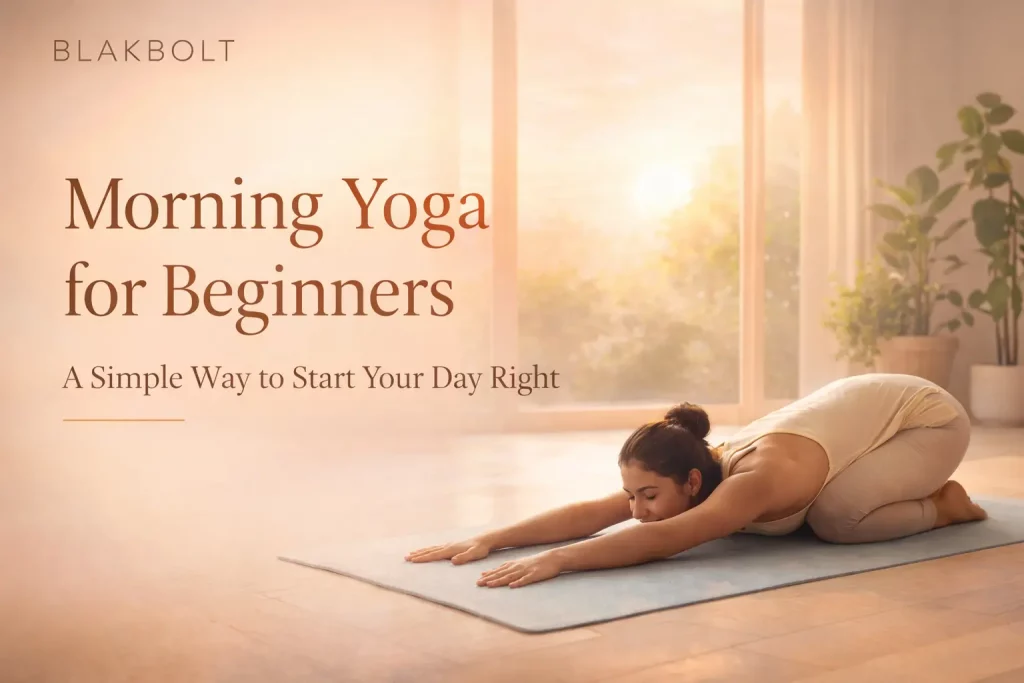
- Use resets: take Child’s Pose when breath becomes forced.
- Keep alignment simple: stable joints before deeper shapes.
Example
If the class repeats 4 Sun Salutations, start with 2 controlled rounds. When you can keep steady nasal breathing and stable shoulders, add volume gradually.
Safety note: sharp pain, numbness, or joint-specific discomfort is a stop signal. Modify range, reduce load, and consider professional guidance if you have injuries or medical conditions.