Ashtanga Yoga: A Technical Introduction
Ashtanga Yoga is a structured, sequence-based system of practice that combines fixed postures, consistent transitions, and disciplined breath control. This introduction explains what Ashtanga is, how it works, and how it differs from other modern Yoga class formats.
What Ashtanga Yoga Is
Ashtanga Yoga is a method where practitioners follow a fixed series of postures in a specific order, using repeatable transitions and a consistent breathing approach. The sequence is not arbitrary: it is designed to progressively challenge mobility, strength, and coordination while maintaining breath stability. Because the structure is standardized, progress is easier to measure than in mixed-format classes.
Example
If you practice the same early sequence weekly, you can track improvements such as smoother transitions, steadier breath during holds, and more stable shoulder and hip positions.
The Key Components
Traditional Ashtanga is often described through three practical components: breath, posture, and focus. In technical terms, this means using controlled respiration to regulate effort, using fixed postural shapes to apply mechanical loading, and using attention to maintain consistent movement quality. The method aims to reduce variability so the practitioner can refine the same patterns over time.
- Breath: steady rhythm used to control pace and tolerance.
- Posture: repeatable shapes that develop strength and mobility under control.
- Focus: attention management to maintain form and reduce unnecessary tension.
Example
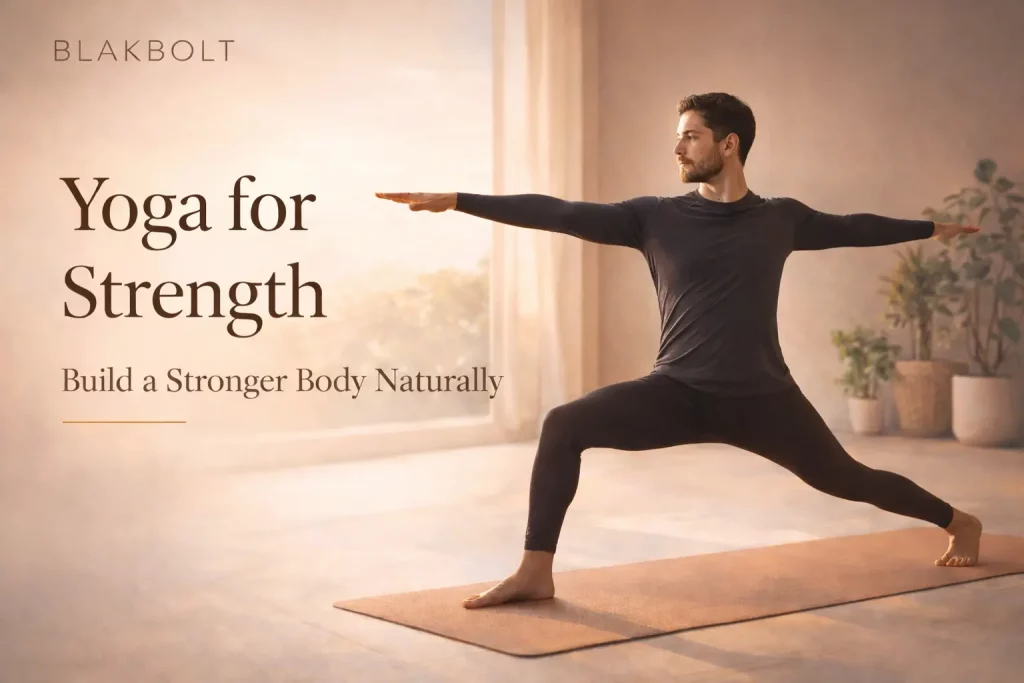
In a posture like Downward Dog, the “skill” is not only flexibility; it is keeping a stable trunk and shoulder position while breathing evenly, rather than collapsing into the joints.
Why the Sequence Matters
The fixed sequence acts like a training protocol. By keeping the order consistent, you reduce random variation and can identify which specific elements limit performance—such as hamstring range, thoracic mobility, shoulder stability, or trunk endurance. This also allows more reliable progression, because the same movement patterns appear repeatedly and can be improved through controlled repetition.
Example
If a transition consistently causes you to hold your breath, that’s a measurable signal that the intensity is too high or the mechanics need adjustment (shorter range, slower pace, or a modification).
Ashtanga vs. Vinyasa (Simple Comparison)
Many people confuse Ashtanga and Vinyasa because both can be physically demanding and include flowing transitions. The difference is mainly in standardization. Ashtanga uses a fixed sequence, while Vinyasa is often variable and teacher-designed. This changes how you measure progress and how predictable the training stimulus is.
Ashtanga
- Fixed sequence (high repeatability)
- Progress is measurable and consistent
- Same transitions appear frequently
- Skill focus: refinement through repetition
Vinyasa
- Sequence can change class-to-class
- Progress can be less standardized
- Transitions vary with the teacher
- Skill focus: adaptability and variety
Example
If you want a consistent baseline to track improvements week-to-week, Ashtanga provides a stable “test.” If you prefer variety and different peak poses, Vinyasa may feel more diverse.
Who Ashtanga Is For
Ashtanga suits people who prefer structured training and want a method where improvement can be tracked objectively. It can build total-body strength-endurance and control, but it also demands good recovery and patience. Beginners can practice Ashtanga safely by scaling intensity: shorter holds, slower transitions, modified ranges, and rest breaks when breathing quality drops.
Example
A safe beginner benchmark is “breath-first pacing”: if you cannot keep nasal breathing smooth during a section, reduce the pace or choose a modification until breath remains stable.
Safety note: sharp pain, numbness, or joint-specific discomfort is a stop signal. Use props, reduce range, and consider professional guidance if you have injuries or medical conditions.