Yoga Poses: Foundations, Styles, and How to Understand Practice
This page explains Yoga from first principles (what it is, how poses work, and how styles differ), so you can interpret Yoga poses correctly—by purpose, intensity, and sequencing.
What Is Yoga (Technical Definition)
Yoga is a structured system of training that integrates movement (asanas/poses), breath regulation (pranayama), and attention control (concentration/meditation) to influence the body and nervous system. In practical terms, Yoga poses are not “random stretches”; they are repeatable positions used to create specific mechanical loads (mobility, stability, strength), plus predictable physiological effects (breathing efficiency, autonomic balance, recovery).
Example
A forward fold is not only “hamstring stretching.” It can be used to train hip hinging mechanics, down-regulate effort via slower nasal breathing, and improve posterior-chain tolerance when performed with spinal alignment and controlled breathing.
What Is a Yoga Pose (Asana) and Why Alignment Matters
An asana is a posture held or transitioned through with intentional breathing and controlled tension. The purpose is to apply a “dose” of stress to tissues and the nervous system without exceeding capacity. Alignment matters because it changes where stress goes: joint angles, muscle recruitment, and spinal loading. Good alignment is not one rigid shape—it’s a set of safe ranges that match your anatomy and goals.
- Range: How far a joint moves (mobility demand).
- Control: How stable the position is (neuromuscular demand).
- Load: How much effort is required (strength/endurance demand).
- Breath: How well you can breathe under the posture (stress indicator).
Example
In Plank, “stronger” usually means maintaining a neutral trunk while breathing calmly. If breath becomes shallow, hips sag, or shoulders collapse, the posture is exceeding current capacity—reduce time, intensity, or choose a regression.
Yoga Styles: What “Style” Means (Not Just Branding)
A Yoga “style” is a framework that defines sequence rules, pace, posture emphasis, and breathing method. Styles can be understood by the type of adaptation they train: mobility, strength-endurance, motor control, recovery, or meditative focus.
How Styles Differ
- Pace: static holds vs. flowing transitions
- Heat: room temperature, intensity, sweat response
- Complexity: simple foundations vs. advanced shapes
- Breath rules: natural nasal vs. structured breathing
What Stays the Same
- Postures are tools, not the final goal
- Breath is used to regulate effort and focus
- Progression is dose-based: volume, range, and control
- Consistency beats intensity for long-term results
Hatha Yoga (Base Layer of Many Styles)
Hatha is commonly used as a broad category for posture-based Yoga practiced at a moderate pace. Technically, it emphasizes basic asanas, controlled breathing, and clear alignment cues. It’s often the best entry point because it builds foundational joint positions (hips, shoulders, spine) with enough time to learn mechanics.
Example
A typical Hatha sequence might include Mountain → Forward Fold → Lunge → Downward Dog → Cobra. The educational goal is recognizing spinal patterns (neutral, flexion, extension) and learning how breath influences muscle tone.
Vinyasa Yoga (Flow, Transitions, and Breath-Linked Movement)
Vinyasa is defined by sequencing and transitions. Poses are connected using a steady rhythm, commonly linking movement to inhalation and exhalation. The training effect is often strength-endurance, cardiovascular demand (mild to moderate), and movement coordination—especially in repeated patterns like Sun Salutations.
- Best for: building consistency, whole-body conditioning, movement rhythm
- Watch for: rushing alignment in fast transitions, wrist/shoulder fatigue
Example
In a flow from Plank → Chaturanga (optional) → Upward Dog → Downward Dog, the “skill” is maintaining shoulder stability and trunk control while keeping breath smooth. If breath breaks, choose a simpler transition.
Yin vs. Restorative (Slow Styles That Are Not the Same)
Yin and Restorative Yoga are both slower styles, but they target different outcomes. Yin uses longer holds to apply gentle stress to deeper tissues and improve tolerance at end-range. Restorative uses high support (props) to reduce muscular effort and prioritize recovery and down-regulation.
Yin Yoga
- Holds: long (often 2–5+ minutes)
- Effort: mild-to-moderate sensation is expected
- Goal: mobility tolerance + calm attention
- Risk: pushing too far into joint stress
Example
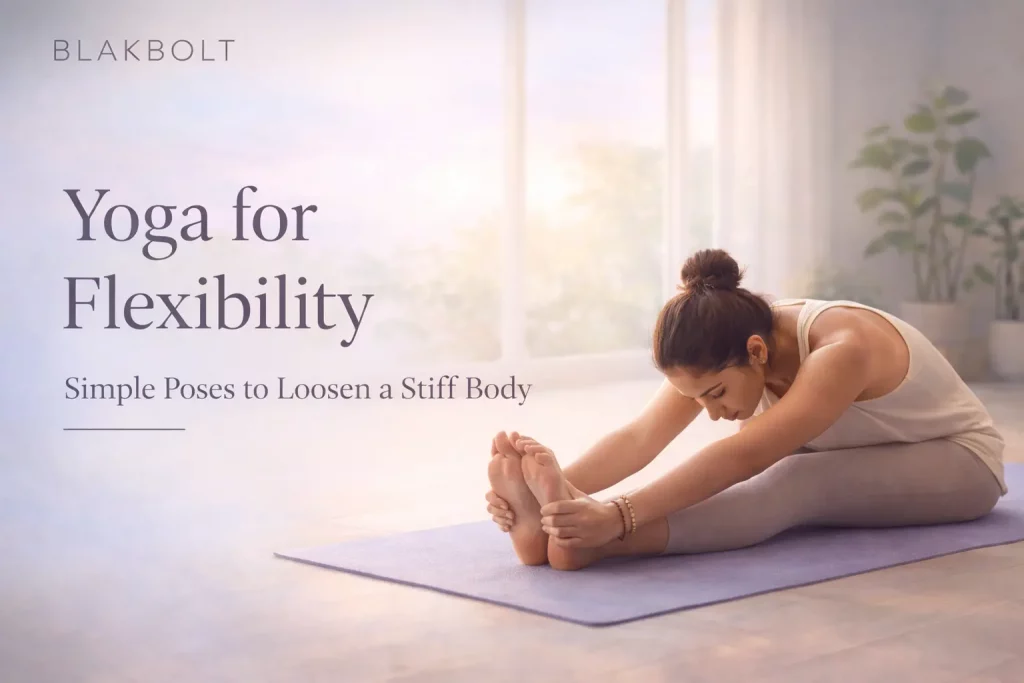
In a long Seated Forward Fold, the target is patient, steady breathing while maintaining a tolerable intensity. If sensation becomes sharp or joint-focused, you back out and support with a cushion.
Restorative Yoga
- Holds: long, but with minimal strain
- Effort: very low (comfort is the rule)
- Goal: recovery, stress reduction, sleep support
- Tools: bolsters, blankets, blocks
Example
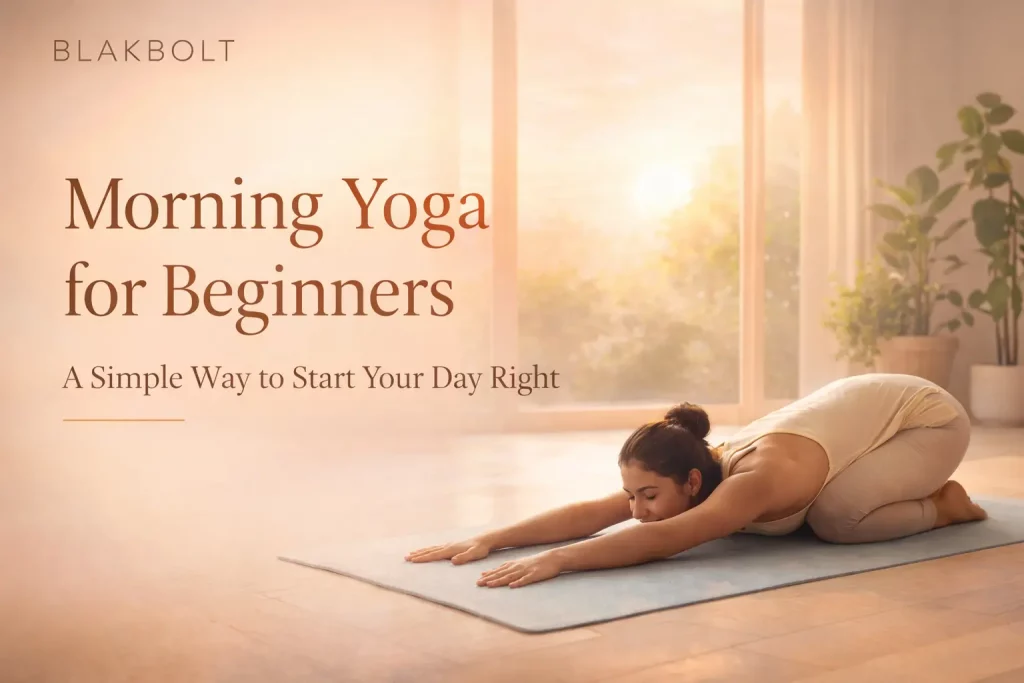
In Supported Child’s Pose, props remove effort so breathing becomes slow and effortless. The measurable outcome is reduced tension and an easier breathing pattern—not a deeper stretch.
Ashtanga (Fixed Sequence and Progressive Difficulty)
Ashtanga is a structured system built around fixed series (set sequences) with consistent transitions. Because the sequence is stable, it is highly measurable: you progress by improving position quality, breathing stability, and completing additional postures safely. The intensity can be high due to volume, repetition, and demanding strength requirements.
Example
If you repeat the same sequence weekly, you can track improvements in specific metrics: steadier breath in holds, fewer breaks during transitions, and smoother control in hip/shoulder positions.
How to Choose a Style (A Simple Technical Filter)
Choose a Yoga style based on your primary constraint (time, recovery, stiffness, strength) and your primary goal (mobility, conditioning, calm, skill). The best style is the one you can repeat consistently while maintaining good breathing and joint comfort.
Example
If you sit all day and feel stiff: start with Hatha (foundation) + a short Yin session weekly (end-range tolerance). If you want conditioning: add Vinyasa 2–3x/week, but keep one Restorative session for recovery.
Safety note: pain, numbness, or sharp joint sensation is a stop signal. Use props, reduce range, or choose a simpler version. If you have injuries or medical conditions, seek professional guidance.